
My Oulu: MEPs praise Oulu’s approach to European Capital of Culture year
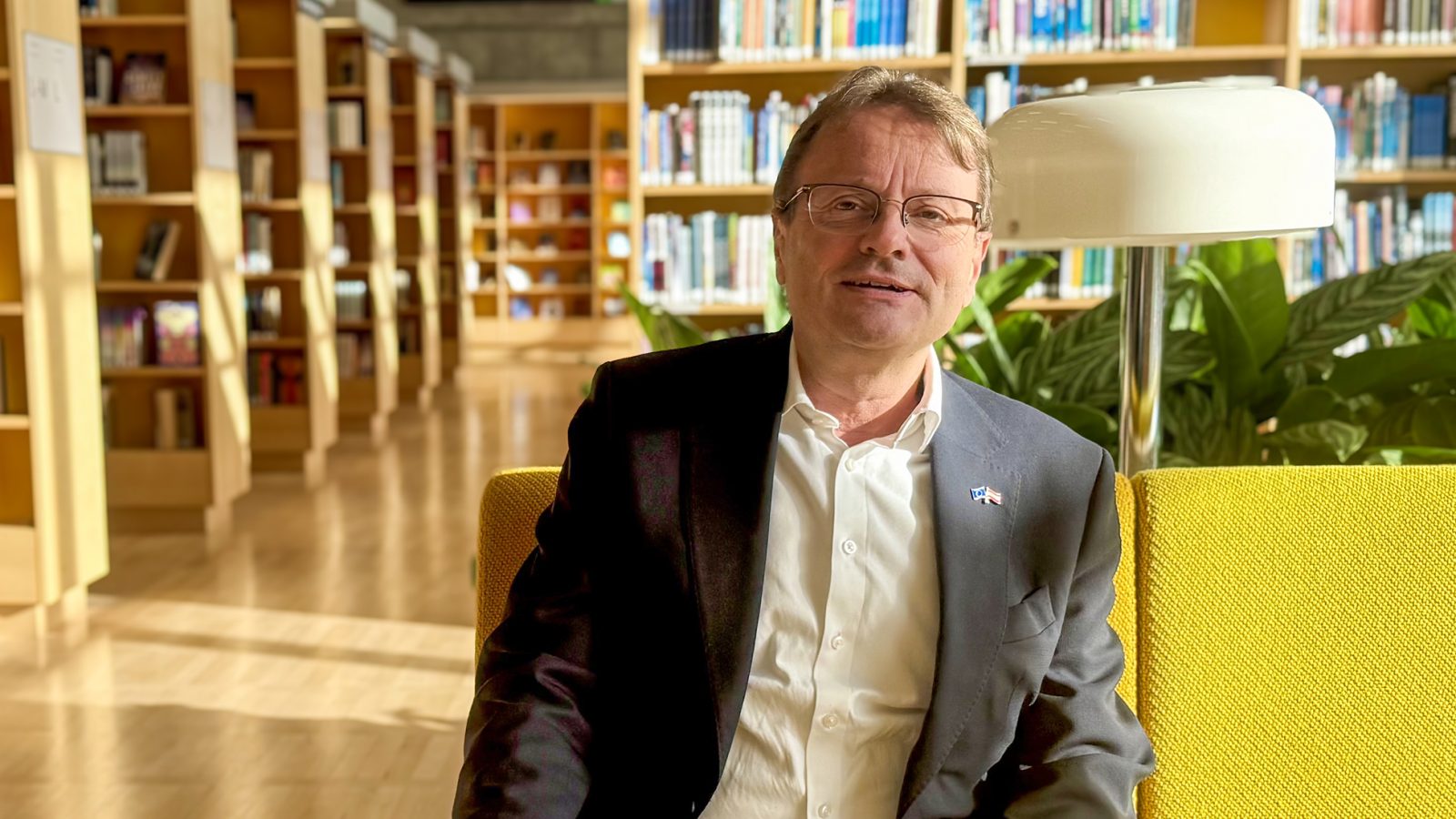
Austrian MEP Hannes Heide's home town Bad Ischl was the European Capital of Culture in 2024. ”What matters is not only the European Capital of Culture year itself, but what happens afterwards and how that development continues”, Heide said while visiting in Oulu. Photos: Anne Laurila
Jaa sosiaalisessa mediassa:


”You do not become a European Capital of Culture because of what you already are, but because of what you want to develop. It is a process”, notes Austrian MEP Hannes Heide, who visited Oulu recently as part of a delegation from the European Parliament’s Committee on Culture and Education.
A delegation from the European Parliament’s Committee on Culture and Education (CULT) visited Oulu in September. During the three-day visit, the MEPs learned about the Oulu2026 European Capital of Culture programme, met representatives of the city and the cultural sector, and visited several cultural venues.
On the final day of the visit, the programme included Oulu Central Library Saari and Children’s Cultural Centre Kotilo. During the visit, delegation chair Nela Riehl and MEP Hannes Heide highlighted in particular the ways in which a European Capital of Culture year can have an impact on the region long after the official title year has ended.
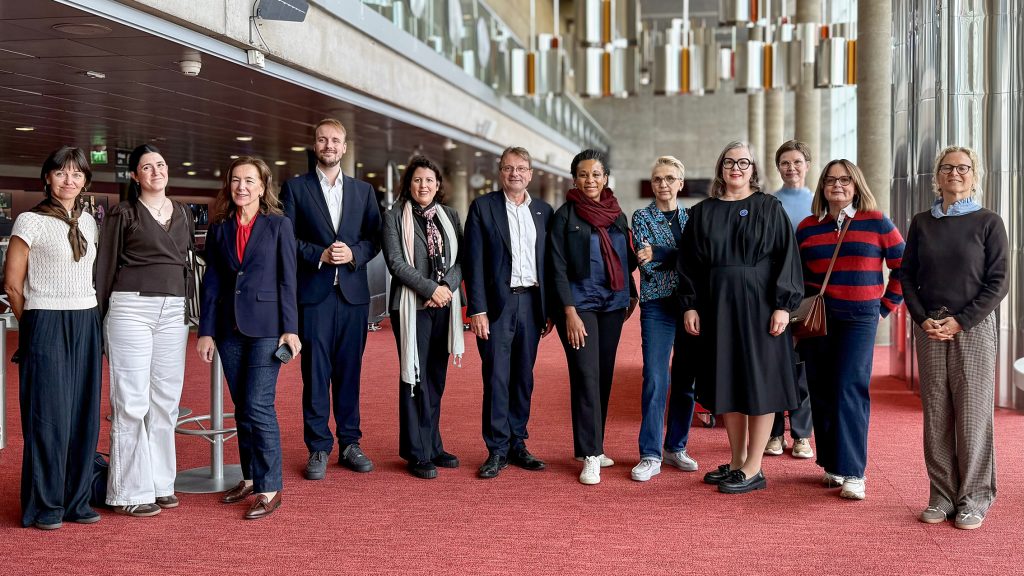
Members of the European Parliament visited several cultural sites in Oulu, including the Oulu Theatre.
Heide also has first-hand experience of the impact of a European Capital of Culture year through his home town in Austria. Bad Ischl was a European Capital of Culture in 2024 together with municipalities across the Salzkammergut region.
A long-term process
According to Heide, the success of a European Capital of Culture year should not be measured only by what happens during a single year. What matters is what the year sets in motion and what remains afterwards.
In Oulu, he paid particular attention to the strong role of children and young people, the involvement of different generations, and cooperation between Oulu and its 39 partner municipalities.
”Young people have been very successfully involved in Oulu. Children and young people have a strong role, and I also appreciate the way different generations have been brought together. In this respect, Oulu is a role model for future European Capitals of Culture”, Heide says.
According to Heide, the purpose of the European Capital of Culture title is not simply to showcase what a city and region already have.
”You do not become a European Capital of Culture because of what you already are, but because of what you want to develop. It is a process. What matters is not only the European Capital of Culture year itself, but what happens afterwards and how that development continues.”

One of the aims of Oulu2026 is to create a lasting cultural climate change by enriching cultural life and bringing positive change across the entire region. The European Capital of Culture programme is being implemented in Oulu and 39 partner municipalities.
Heide points out that the CULT Committee has proposed allowing future European Capital of Culture titles to also formally recognise a wider region. Under the current model, the title is awarded to a single city even when several municipalities or a broader region are involved in delivering the year.
Culture is everyday life
CULT Committee chair Nela Riehl also emphasises the long-term nature of the European Capital of Culture initiative. In her view, Oulu has succeeded in creating a programme that does not focus attention on only a few major headline events.
”Oulu has understood that being a European Capital of Culture is not only about spectacular individual events, but also about what remains afterwards. Oulu has not focused on just a few major events. Instead, there is programming throughout the year, people continuously have something to take part in, and they are actively involved”, Riehl says.
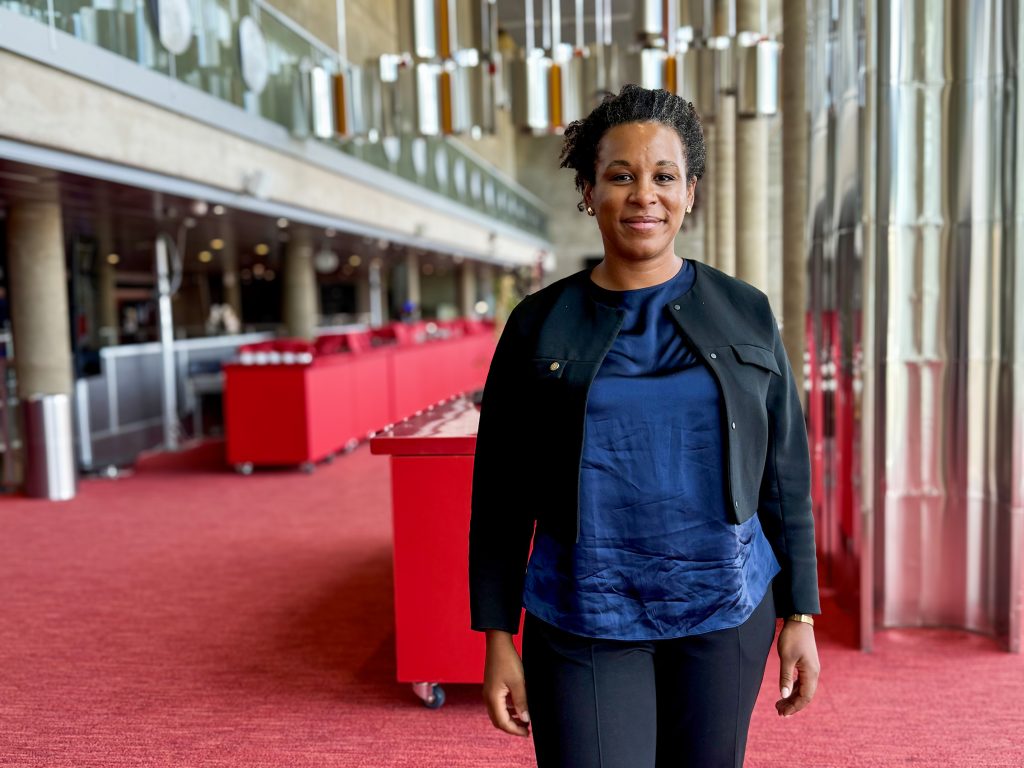
Oulu’s accessibility came as a positive surprise to Nela Riehl. She hopes that the culture of northern and rural areas will gain greater visibility in Europe.
Riehl believes this is something other parts of Europe can learn from.
”Culture is part of everyday life. It is not just something spectacular reserved for special occasions”, she stresses.
Both Heide and Riehl also see the importance of culture as a wider societal issue that extends beyond cultural events.
Heide emphasises the links between culture, democracy, participation and the economy.
”Culture is part of all our lives. It makes us human and is important for the development of democracy. But culture is also a significant economic factor: the creative economy accounts for more than four per cent of the EU’s GDP, and more than nine million people work in the sector. In addition, a large number of people contribute on a voluntary basis”, he says.
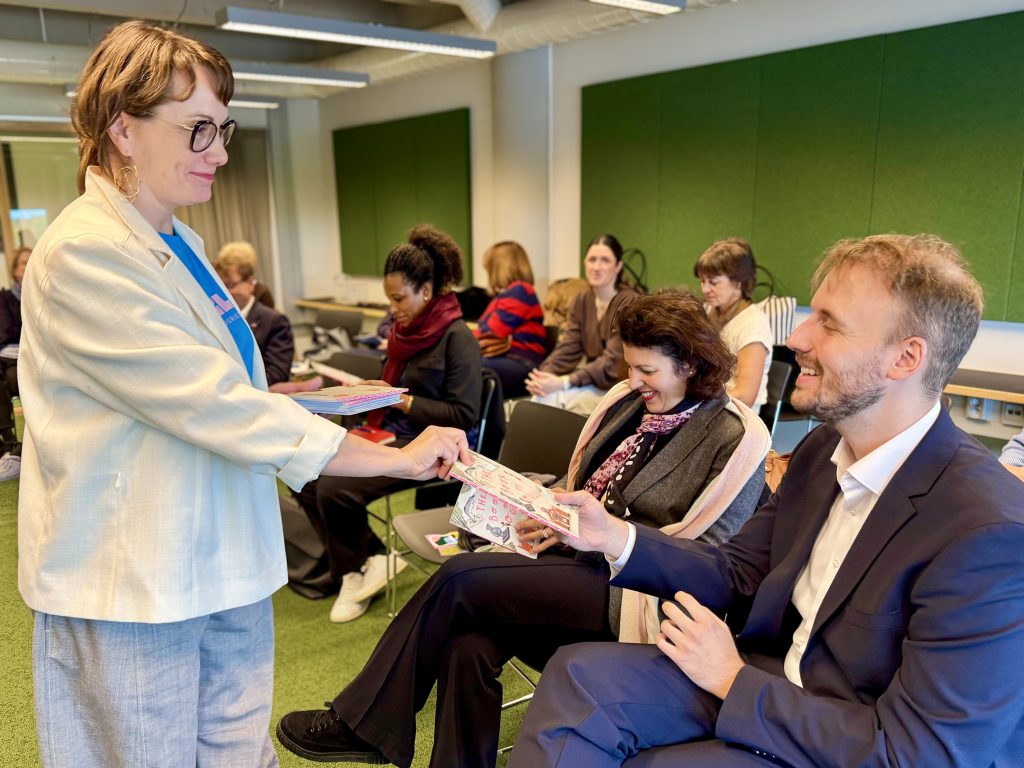
Oulu's Manager of Children’s Culture Katri Tenetz gave Viktor Weisz from Hungary and the other visitors The Book of Oulu, a collection of stories by children from Oulu, to take home from Kotilo.
Heide believes culture should also have a stronger role in EU funding.
”It is not simply about spending money. It is about getting things moving, increasing people’s understanding of the EU and politics, and strengthening participation in society.”
Riehl also believes the EU could do more to raise the profile of culture and the European Capitals of Culture.
”Culture is the foundation of democracy, so at EU level we must make sure that culture reaches people both in rural areas and across national borders.”
Both MEPs see in Oulu’s European Capital of Culture year many of the elements the initiative is intended to promote: culture reaching beyond the city centre, the participation of people of different ages, and development that does not end on the final day of the European Capital of Culture year.